Practice Resources
A Patient’s Guide to Medical Spas
By Madilyn Moeller, Marketing Content Coordinator, AmSpa · September 24, 2024
In This Guide
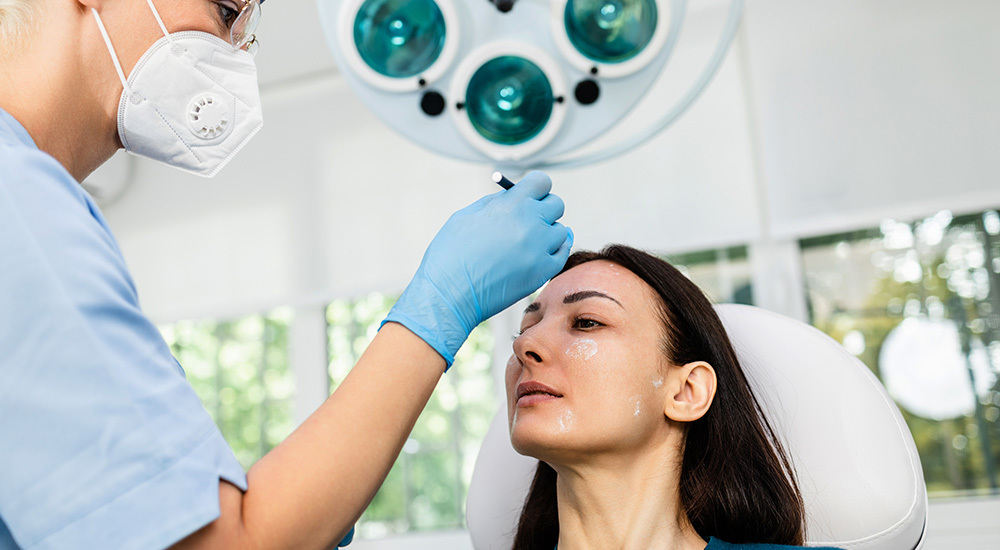
Med spas are medical practices, and that informs how they operate, who holds the needle, and what protections they have in place for aesthetic patients. Whether you’re curious about the latest medical spa treatments or are a seasoned patient, this guide will help you understand what your med spa should be doing to protect you.
Meet Our Med Spa Experts
What Makes a Med Spa a Medical Practice?
What is a Medical Spa?
A medical spa blends elements of both an aesthetic medical center and a day spa, featuring four key components: (1) offering non-invasive, non-surgical aesthetic medical treatments; (2) operating under the oversight of a licensed physician or independent practitioner; (3) having services delivered by skilled health care professionals; and (4) creating a relaxing, spa-like atmosphere while maintaining medical-grade standards.
When you walk in, you might see a retail area with medical-grade skin care products and a friendly receptionist who hands you paperwork before your visit. Medical spas are establishments dedicated to non-invasive aesthetic medical services, ranging from stand-alone clinics specializing in laser hair removal, IV therapy, or injectables, all the way to full-service practices.
Med Spas vs. Traditional Day Spas
You can get a facial at a spa or medical spa. The advanced treatments, personnel, and oversight are where they start to differ. Med spas cater to different needs than traditional spas; they are essentially medical practices that offer advanced skin and aesthetic treatments. Traditional day spas are focused on relaxation and wellness.
Day spas operate as retail enterprises more akin to hair salons, while medical spas are considered medical practices. According to the 2024 Medical Spa State of the Industry Report, 86% of medical spas offer retail skin care products. There are also fewer restrictions to owning a day spa compared to a medical spa. Many states require med spa owners to be a licensed physician or for a physician to have majority ownership with other health care personnel.
Why Med Spas Are Regulated as Medical Practices
A medical spa is a medical facility that operates under the full-time supervision of a licensed health care professional. At a medical spa, you can enjoy many of the same relaxation treatments that you might get at a spa, but with access to advanced aesthetic treatments that require medical oversight.
Your Aesthetic Procedures Are Medical Treatments
Med spas can vary in their treatment offerings, but all of them perform services that qualify as medical treatments. Full-service medical spas offer a wide range of aesthetic medical services, such as neuromodulators (Botox) and dermal fillers, laser energy devices and body contouring, thread lifts, IV therapy, microneedling, and more. These are medical treatments because they affect living tissue of the body, including anything under the top layer of the skin.
In most states, patients must have an initial face-to-face consultation with a doctor, nurse practitioner, or physician assistant. The treatment must be prescribed, and it must be supervised. As a patient, you should expect to see a prescribing provider in an initial consultation where they will decide what treatment you are a good candidate for and prescribe the course of medical treatment.
Aesthetic Practitioners Are Licensed Professionals
Practitioners Need a License
Aesthetic practitioners are licensed health care professionals. At a med spa, you will encounter several license types: medical doctor (MD), osteopathic doctor (DO), nurse practitioner (ARNP, APRN, NP), physician assistant (PA-C), registered nurse (RN), and licensed aesthetician (LE).
How do you know what license your med spa practitioner holds? First look at the med spa website, then check the embroidery on their scrubs for their name and credentials. Providers often include academic degrees and any board certifications in their title.
Expert Insight
“Though there is no standardized certification or training required prior to treating aesthetic patients, it is the moral obligation of the provider to ‘do no harm.’ Keeping with the theme of safety, performing treatments you haven’t been adequately trained in is putting patients at risk.”
Meredith Harris, MS, WHNP · New Life Aesthetics
Who Regulates Practitioner Licenses?
Patients can feel safe in a med spa knowing that these facilities are regulated just like a doctor’s office. The same state laws, medical boards, and nursing boards that protect you at a doctor’s office are active at medical spas. As state-licensed health care professionals, med spa practitioners have to follow the same laws and codes of conduct as practitioners in any other medical setting.
Another protection from these regulatory agencies is the ability for patients to confirm whether a person has the license they claim. The state boards are transparent with the status of a provider’s license, and you can verify this information on the board’s website.
Med Spas Act in Your Best Interest
Med spa practitioners make ethical decisions in their care and treatment of patients. Your injector is held to ethical practices and codes of professional conduct, just like all other licensed health care providers. Responsible care in a med spa might look like:
Expert Insight
“Our team receives ongoing training in complication prevention and management. Resources are prioritized in the purchase of items such as hyaluronidase, epinephrine, and AEDs so that we can execute our emergency protocols at any given time.”
Meredith Harris, MS, WHNP · On prioritizing patient safety over profitability
Med Spa Treatments Are Supervised by Medical Professionals
Med spa services that are considered medical treatments require professional medical supervision. This supervision comes from a physician or, in states that have independent practice laws, from a nurse practitioner or physician assistant.
When you visit a med spa, the doctor, NP, or PA who performs your consultation may decide that you are a good candidate for treatment. They will document their diagnosis and treatment plan. They may then delegate the performance of that treatment to another qualified and trained professional in the practice.
What Patients Should Know About Medical Directors
Medical directors are licensed physicians (MD/DO) or, in some states, nurse practitioners who take on the ultimate responsibility for all medical procedures performed at the med spa. With that level of responsibility, these supervising medical directors undergo dedicated training in aesthetic medicine and gain experience in every aesthetic treatment offered.
Legal Perspective
“A ‘medical director’ at a med spa is typically a licensed physician with specific training and experience in medical aesthetics or related fields like dermatology or plastic surgery. Requirements can vary significantly by state. However, a common thread is that the medical director should be actively involved in overseeing clinical operations.”
ByrdAdatto National Health Care Law Firm
Why Consultations and Consent Matter
Why Med Spa Consultations Matter
Examining patients and diagnosing treatment is the practice of medicine, which is why your consultations at a med spa are performed by a physician, nurse practitioner, or physician assistant. A compliant med spa will schedule you a consultation before your initial treatment, where you will meet face-to-face with a prescribing practitioner.
Crucially, the consultation establishes a practitioner-patient relationship. A valid practitioner-patient relationship is important to providing quality health care services and meeting the standard of care.
What to Expect in a Good Faith Exam
In med spa law, these consultations can be referred to as good faith exams, initial exams, initial consults, or patient assessments. The supervising physician can delegate good faith exams to nurse practitioners and physician assistants, who assess the patient and ask questions to understand their medical history.
Then the examiner will assess the patient’s physical condition in the areas where they will receive treatment. The practitioner will ask about your concerns, aesthetic goals, and expected outcomes. They will describe the available treatment options and explain any potential complications.
Expert Insight
“Aesthetic medicine should be held to the same standards as any other specialty in medicine. It is our ethical and moral responsibility to perform a thorough medical history and evaluation, and perform treatments only for appropriate candidates.”
Meredith Harris, MS, WHNP · On the ethical responsibility to act in the patient’s best interest
Informed Consent
Just like in any other doctor’s office, you can expect to fill out and sign many forms related to the visit, including a personal health information privacy agreement, medical history form, intake form, and informed consent. The purpose of these forms is to make you aware of your rights, discuss liability, and make sure you are fully informed of the crucial medical details of the procedure.
These forms are not meant to trick you. They should spell out in great detail everything that you have just discussed with your practitioner during the consultation, including all associated risks, possible outcomes, and the plan for your treatment.
Training, Staff, and Who Can Perform Treatments
Med Spas Train Their Staff
Training is not simply a checklist item for med spa professionals. State medical and nursing boards require that they meet standards of conduct and renew their licenses as needed. Clinical education is a tool for your med spa practitioners to stay up to date with the latest best practices in the field.
Providers at all levels in a med spa receive training, from the medical directors to aestheticians and medical assistants. This training prepares them with the knowledge to safely perform procedures and to prevent and manage adverse reactions.
Expert Insight
“One of the most common and concerning misses is the lack of preparation for the inevitable adverse event. If you do enough treatments in aesthetic medicine, you will have complications. It is how you handle them that makes you a true professional. Keep your hyaluronidase on hand!”
Meredith Harris, MS, WHNP · On what professionals often skip
Who Can Perform Med Spa Treatments?
Medical aesthetic practices delegate the performance of medical treatments to licensed health care professionals under the supervision of a physician. In a med spa, treatments can include laser services, neuromodulators, dermal fillers, and more. Regulations vary state to state, but typically your injector can be a physician, nurse practitioner, or physician assistant, and in many states, registered nurses as well.
Laser treatments are slightly different in the med spa legislation; generally, individuals with sufficient training at the judgment of the medical director are able to perform laser hair removal. If you are wondering whether a treatment is within a provider’s scope of practice, you can look up your state’s regulations or verify a person’s credentials.
Med Spa Businesses Are Regulated as Medical Practices
Legal Perspective
“Med spas offer a range of non-invasive cosmetic treatments, combining medical expertise with aesthetic services. They’re typically run by licensed healthcare professionals. Med spas are subject to the same health care regulations as traditional medical practices, ensuring that patient safety remains a top priority.”
ByrdAdatto What the public should know about med spas
The Role of State Boards
Med spa law is present in state law, statutes, board rules, and published opinions of the state medical or nursing boards. Physicians and physician assistants are often both governed by the state medical board. Nurse practitioners, registered nurses, and licensed vocational nurses are governed by the state nursing board.
Once a med spa has its ownership structure and has established the proper business entity, it may have to register with the state medical board. The med spa’s ability to offer medical services comes from the licenses of its health care practitioners.
Federal Agencies That Affect Med Spas
The Pharmacy Board and DEA
IV therapy treatments and bioidentical hormones are specialized treatments that come with added layers of regulation. The Drug Enforcement Administration (DEA) regulates controlled substances, such as anesthetics and certain hormones used in med spa treatments.
OSHA: Safe Facilities
Med spas must comply with workplace safety standards specific to health care facilities. The Occupational Safety and Health Administration (OSHA) sets standards for workplace safety and enforces them with inspections, covering personal protective equipment (PPE) and handling of toxic and hazardous substances.
How the FDA Protects Patients
The medicines used at any medical spa have been approved by the U.S. Food and Drug Administration (FDA). When you receive a dermal filler injection, the product used is FDA-approved, purchased from the manufacturer in the U.S., and properly stored according to the manufacturer’s guidelines.
Patient Privacy (HIPAA)
The most prominent patient privacy law is the Health Insurance Portability and Accountability Act (HIPAA). All the software and electronic medical record platforms that med spas use must comply with HIPAA privacy requirements. Unless you specifically consent, you don’t have to worry about your before-and-after photos appearing on the practice’s social media.
Legal Perspective
“New med spa professionals can try to familiarize themselves with regulations by researching state-specific medical and aesthetic laws, as these vary across regions. Unfortunately, these laws can be complex, so it’s often advisable to engage a health care attorney.”
ByrdAdatto On getting familiar with regulations
Your Med Spa Is Careful with Its Claims
Can You Tip Your Injector?
Many of your med spa professionals are non-physicians: registered nurses, physician assistants, nurse practitioners. If any of these providers were to accept or solicit tips, they could be engaging in potential ethical violations. Because tipping is not typical in health care settings, many med spas have elected not to accept tips to maintain the boundaries of a medical professional relationship.
Why Med Spas Use Word of Mouth Marketing
Med spas follow strict medical advertising laws. State licensing boards prohibit medical aesthetic practices from making claims that are false, deceptive, or misleading. They avoid hyperbolic claims of having the “best” providers or “expert” injectors. They can’t guarantee that a procedure will be painless or that a patient will leave feeling a certain way.
Word of mouth advertising is a powerful force in medical aesthetics, and it is comforting to know that patients who promote a med spa are doing so as a sign of genuine support and customer satisfaction.
What Does “Certified” Mean?
What does “medical aesthetician” mean? The reality is, the person’s credential is licensed esthetician (LE). A misleading title could give the false impression that they are licensed to perform treatments outside their scope. Similarly, “certified laser technician” is a title that very few states actually certify. As a patient, you will want to ask the laser technician about their certification and training.
Safe Med Spas Put Health Care First
Beneath the glamour of med spas and aesthetic practices is a robust foundation in medical care. State and federal agencies regulate med spas as medical practices, create licensing and training requirements for providers, and set safety standards for the facilities themselves. Your med spa is a medical practice that prioritizes your safety, and the professionals who work there are committed to providing the highest standard of care.
Keep Reading